


Paint Correction: Restore the Gloss, Clarity and Finish of Your Car
Over time, even a well-maintained car can begin to lose the deep gloss and clarity it once had. Swirl marks, light scratches, poor washing techniques and environmental contamination can all leave paintwork looking dull or tired.
At Glosslabz, we provide professional mobile car detailing and paint correction services across Hertfordshire and London, helping restore the appearance of vehicle paintwork and bring back the depth, clarity and gloss it deserves.
But what exactly is paint correction, how does it work, and when should you consider having it done?
What Is Paint Correction?
Paint correction is the process of carefully machine polishing a vehicle’s paintwork to reduce or remove visible imperfections from the clear coat.
Rather than simply covering defects with waxes or fillers, professional paint correction works on the paint surface itself to create a smoother, clearer and more reflective finish.
Paint correction can help improve the appearance of:
- Swirl marks
- Light scratches
- Wash marks
- Paint hazing
- Oxidation
- Water spots
- Light etching
- Dull or faded-looking paint
- Other minor clear-coat imperfections
The result can be a significant improvement in the overall appearance of the vehicle.
What Causes Swirl Marks and Paint Imperfections?
Swirl marks are extremely common, particularly on black and dark-coloured vehicles.
Although they can sometimes appear to be circular scratches, swirl marks are usually collections of very fine scratches that become particularly visible under direct sunlight or strong lighting.
They can be caused by:
- Automatic car washes
- Dirty wash mitts and sponges
- Incorrect hand-washing techniques
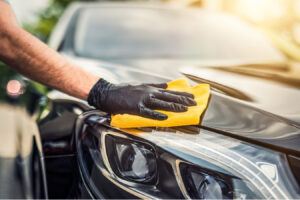
- Drying a dirty vehicle
- Contaminated drying towels
- Poor polishing techniques
- Improper use of car covers
- Road and environmental contamination
Repeated incorrect washing can gradually reduce the clarity of the paintwork, making an otherwise clean vehicle appear dull.
How Does Paint Correction Work?
Professional paint correction involves carefully polishing the clear coat using specialist machines, polishing pads and compounds.
The objective is to safely level a very small amount of the clear coat surrounding an imperfection, reducing its visibility and creating a smoother surface.
When performed correctly, this allows light to reflect more evenly from the paintwork, producing greater clarity and gloss.
Our Paint Correction Process
Every vehicle is different, which is why the condition of the paintwork should be assessed before correction begins.
A typical paint correction process can involve several stages.
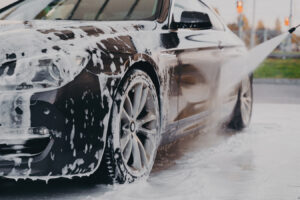
1. Thorough Vehicle Wash
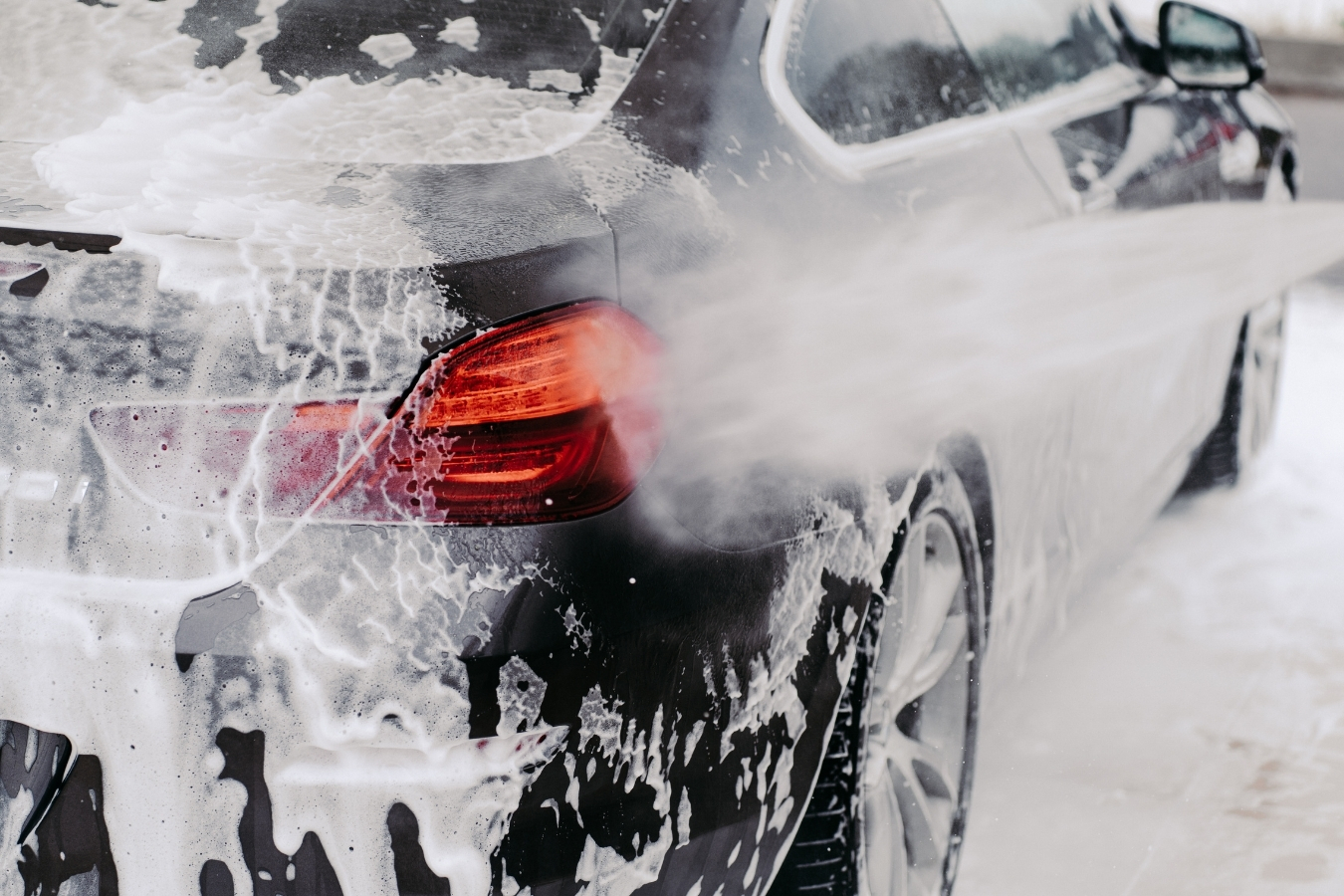
Before any polishing takes place, the vehicle needs to be thoroughly cleaned.
Dirt and road grime must be safely removed to avoid introducing additional marks during the correction process.
2. Paint Decontamination
Even after washing, bonded contamination may remain attached to the paint.
The vehicle may therefore require chemical and physical decontamination to create a clean, smooth surface ready for polishing.
3. Paintwork Inspection
Once clean, the paintwork can be inspected for swirl marks, scratches, oxidation, hazing and other defects.
Different vehicles and individual panels can have different paint conditions, so this assessment helps determine the appropriate correction process.
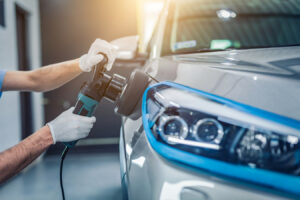
4. Machine Polishing
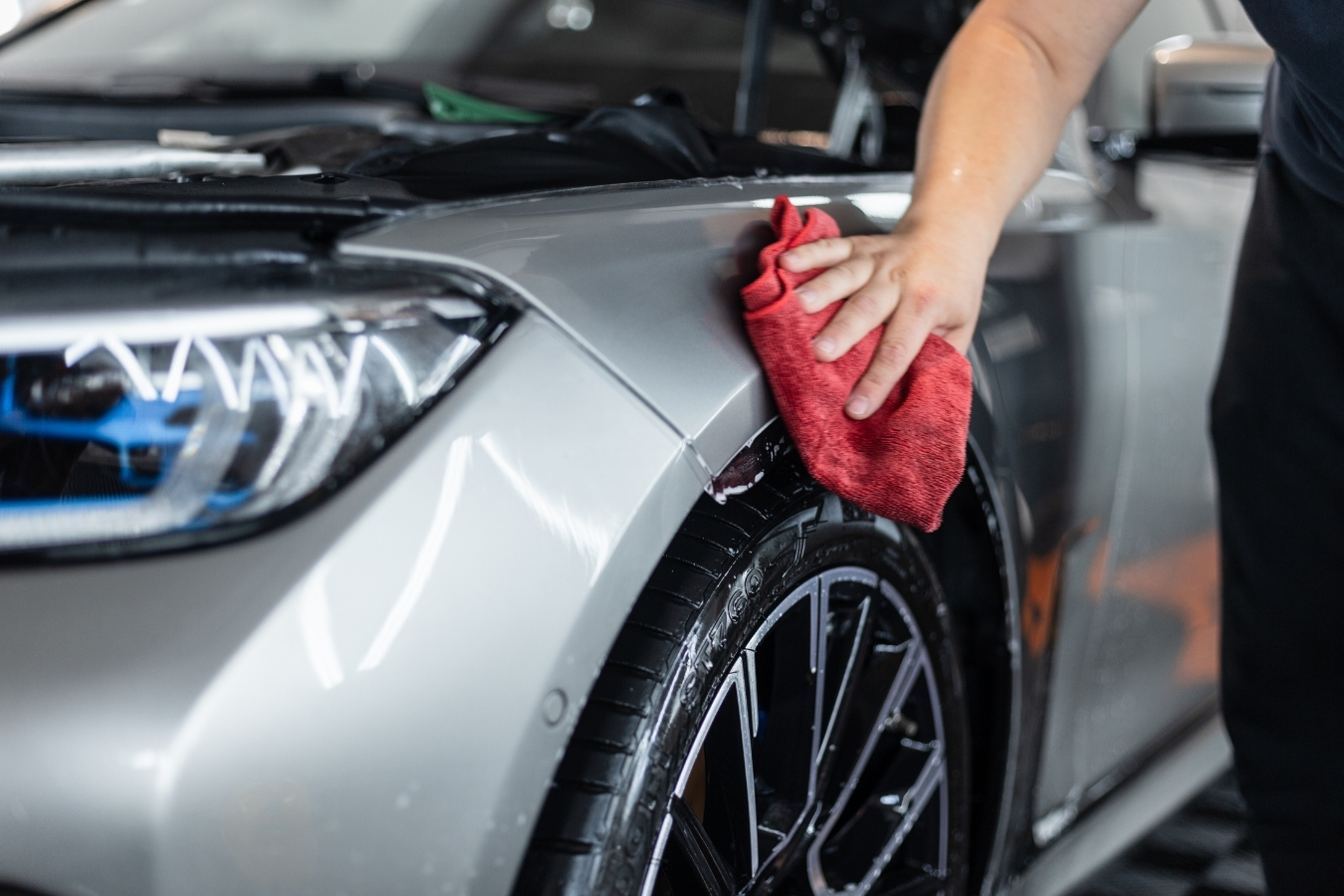
Specialist polishing machines, pads and compounds are used to carefully improve the paint surface.
Depending on the condition of the vehicle, this may involve a lighter enhancement polish or a more comprehensive multi-stage correction process.
5. Finishing
After heavier defects have been addressed, a finishing polish may be used to further refine the surface and maximise gloss and clarity.
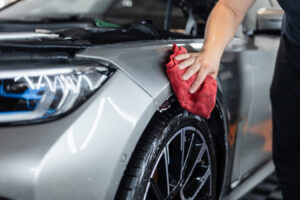
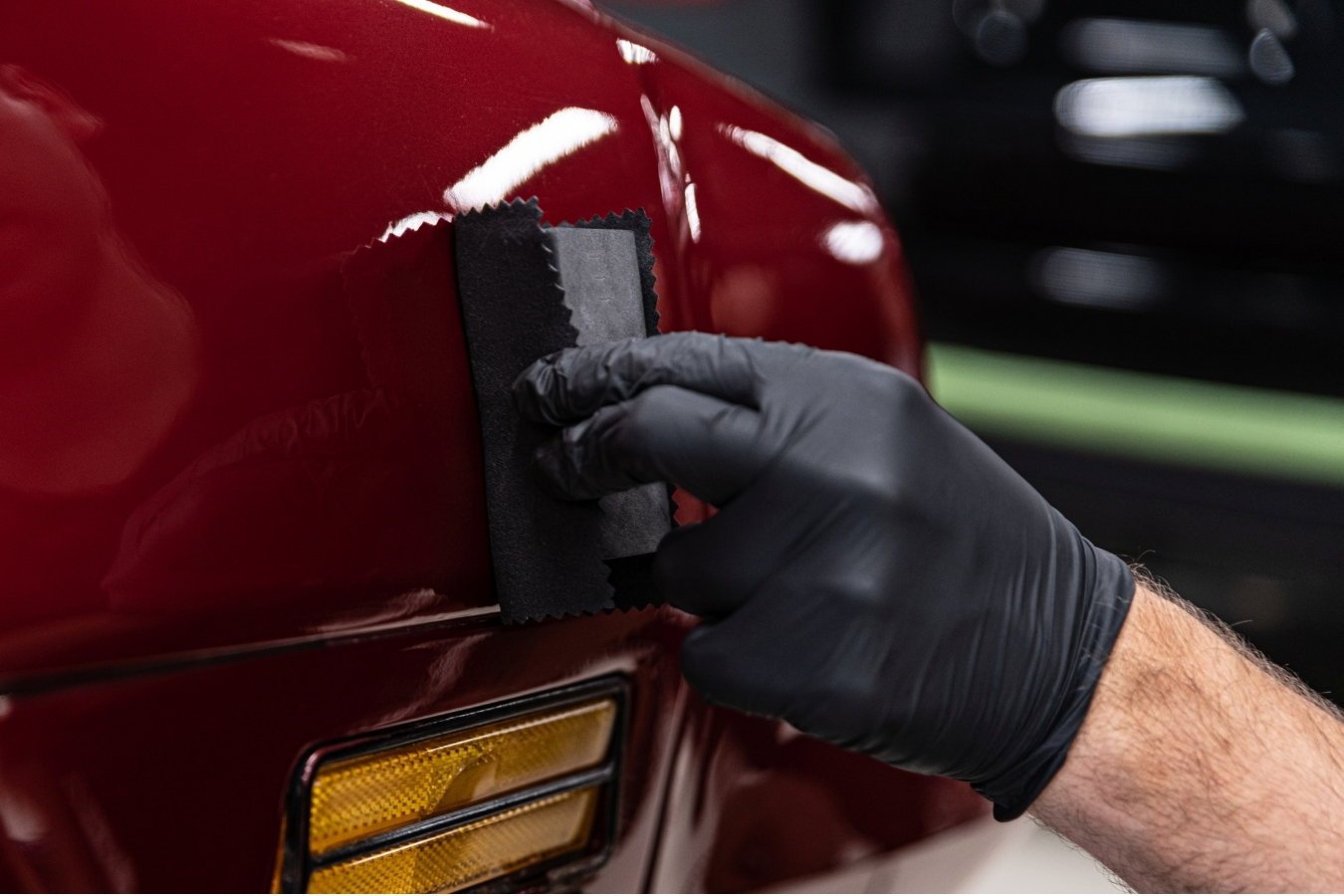
6. Paint Protection
Once the correction process is complete, protecting the newly refined paintwork is highly recommended.
Depending on your requirements, protection can include:
- Paint sealant
- Wax
- Ceramic coating
Applying suitable protection helps preserve the corrected finish and makes ongoing maintenance easier.
Paint Enhancement vs Paint Correction
Although the terms are sometimes used interchangeably, paint enhancement and paint correction aren’t necessarily the same thing.
Paint Enhancement
Paint enhancement is generally a lighter polishing process designed primarily to improve gloss and reduce some minor imperfections.
It can be ideal for vehicles that are already in relatively good condition but would benefit from additional clarity and shine.
Paint Correction
Paint correction is a more intensive process focused on reducing more noticeable swirl marks, scratches and paint defects.
Depending on the condition of the vehicle, multiple polishing stages may be required to achieve the desired result.
The right option depends on the current condition of your paintwork and what you want to achieve.
Can Paint Correction Remove Every Scratch?
Not every scratch can or should be completely removed.
Paint correction is most effective on defects contained within the clear coat.
A deeper scratch that has penetrated through the clear coat and into the colour coat or primer may require a different type of repair.
Attempting to remove an excessively deep scratch through aggressive polishing could unnecessarily reduce the clear coat.
Professional paint correction should therefore focus on achieving the best possible improvement while preserving the integrity of the paintwork.
Does Paint Correction Make a Big Difference?
On the right vehicle, the transformation can be dramatic.
Paintwork covered in swirl marks can scatter light, reducing reflections and making the finish appear dull.
After correction, the paint can appear:
- Deeper in colour
- Glossier
- Smoother
- Clearer
- More reflective
- Better maintained
- More visually impressive
The difference can be particularly noticeable on black, dark blue, grey and other darker paint colours, where swirl marks tend to be easier to see.
Should You Paint Correct a New Car?
It may seem surprising, but even a brand-new vehicle can benefit from paint correction or enhancement.
New vehicles can acquire imperfections during:
- Transportation
- Storage
- Dealership preparation
- Washing
- Drying
- Removing protective transportation materials
For this reason, new-car paintwork should be inspected rather than automatically assumed to be perfect.
A light paint enhancement followed by ceramic coating can be an excellent option for a new vehicle when appropriate.
Paint Correction Before Ceramic Coating
If you’re considering ceramic coating, correcting the paint beforehand can significantly improve the finished appearance.
A ceramic coating is designed to protect the surface beneath it. Applying a coating over visible swirl marks and defects does not remove those imperfections.
Preparing and correcting the paint first allows you to achieve a much cleaner and glossier finish before the protection is applied.
The process can include:
- Thorough washing
- Paint decontamination
- Paint inspection
- Machine polishing
- Surface preparation
- Ceramic coating application
This combination can provide both an impressive finish and longer-lasting paint protection.
How Long Does Paint Correction Last?
Paint correction itself isn’t a coating that simply wears away.
Once a defect has been safely corrected, that particular defect has been physically reduced or removed from the clear coat.
However, new swirl marks and scratches can be introduced afterwards if the vehicle isn’t maintained correctly.
That’s why your washing technique is extremely important after paint correction.
How to Maintain Corrected Paintwork
After investing in professional paint correction, you’ll want to keep the vehicle looking its best.
We recommend:
- Regular maintenance washing
- Using safe hand-washing techniques
- Avoiding automatic car washes
- Using clean wash mitts and drying towels
- Removing bird droppings promptly
- Avoiding wiping a dry or dirty vehicle
- Using appropriate detailing products
- Applying suitable paint protection
Correct maintenance can help preserve the clarity and gloss achieved through paint correction.
Who Is Paint Correction Suitable For?
Paint correction can be suitable for many different types of vehicles, including:
- Daily drivers
- New cars with light defects
- Luxury vehicles
- Performance cars
- Classic cars
- Cars being prepared for ceramic coating
- Vehicles being prepared for sale
- Enthusiast and weekend cars
- Cars with visible swirl marks and wash damage
The level of correction required will depend on the condition of each individual vehicle.
Mobile Paint Correction in Hertfordshire & London
At Glosslabz, we believe great detailing is about more than making a vehicle look clean.
Our paint correction services focus on improving the condition and appearance of your vehicle’s paintwork, bringing back the depth, gloss and clarity that can become lost through everyday use and incorrect maintenance.
We provide mobile car detailing services across Hertfordshire, North London and Greater London, bringing professional vehicle care directly to your home or workplace.
Bring Back the Gloss with Glosslabz
If your paintwork is covered in swirl marks, looks dull under sunlight or simply doesn’t have the shine it once had, professional paint correction could make a significant difference.
Whether you want to improve your daily driver, prepare your car for ceramic coating or restore the appearance of a premium vehicle, Glosslabz can help.
Call or WhatsApp: 07351 996309
Restore the clarity. Enhance the gloss. Bring out the best in your car with Glosslabz.