



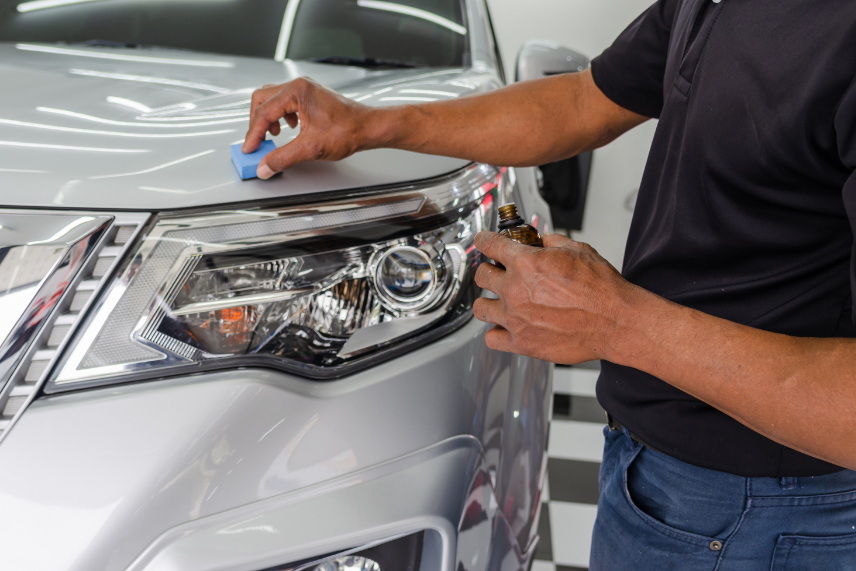
Ask anyone who has owned a well-protected car for a few years, and they will tell you the same thing: the first time a bead of water rolls clean off the bonnet without leaving a trace, something clicks. Suddenly, caring for your vehicle feels less like a chore and more like watching a good system do its job. That system, in modern detailing, is almost always a ceramic coating.
The technology has moved from motorsport paddocks and ultra-high-end restorations into mainstream ownership over the past decade. Formulas have improved, prices have steadied, and application has become something a trained mobile technician can bring directly to your driveway. For drivers across Hertfordshire and the North London belt, that last point changes everything about who can access this level of protection.
This guide covers what a ceramic coating actually does to your paintwork, why booking it as a mobile service makes practical sense, what preparation is required beforehand, and how to maintain the finish for years rather than months. If you have been weighing it up but holding back, this will give you a clear picture of what you are actually buying.
What a Ceramic Coating Actually Is
Strip away the marketing and a ceramic coating is a liquid polymer, usually built around silicon dioxide (SiO2) with varying additions of titanium dioxide, that chemically bonds to the clear coat on your paint. Once cured, it forms a transparent, glass-like layer measured in nanometres rather than microns.
That word bond matters. Unlike a wax that sits on top of the paint and washes off within weeks, or a sealant that lasts a few months, a ceramic coating becomes part of the surface. It cross-links with the clear coat during curing and cannot be removed by shampoo, snow foam, or ordinary wear. Removing it requires either several years of gradual degradation or deliberate mechanical polishing.
The hardness of a cured coating is often marketed in H (pencil-hardness) numbers, with 9H being common. Real-world hardness varies by brand and application thickness, but the practical effect is a sacrificial layer that absorbs the micro-abrasions from washing before they ever reach your clear coat. Think of it as armour that is both invisible and self-repairing within reasonable limits.
Searches for ceramic coating near me have risen sharply since 2020 as more owners understand the maths: a one-off professional application often outlasts five or six years of wax reapplication, costs less over that period, and delivers a visibly superior finish throughout.
The Four Benefits That Actually Matter
Sales pages list dozens of claimed advantages. In practice, four of them account for almost all the value you get back from the investment.
Hydrophobic water behaviour. Water does not spread across a coated panel. It beads tightly and rolls off at remarkably low angles, carrying dirt and road grime with it. Rain showers rinse the car more effectively than they used to, and the time between washes stretches noticeably. On a well-coated bonnet, water contact angles above 100 degrees are standard, which is why the beading effect looks dramatic even to someone who has never seen it before.
UV protection. Clear coats fade and oxidise under years of British summer sun, especially on horizontal panels. A ceramic coating absorbs and reflects some UV radiation before it reaches the lacquer underneath, significantly slowing oxidation. Older cars kept outdoors benefit most from this, but even newer vehicles stay glossier for longer.
Chemical resistance. Bird droppings, tree sap, and road salts eat into unprotected clear coats within hours. A ceramic layer buys you time, usually enough to shift the contaminant with a damp cloth before any etching reaches the paint. This single benefit saves many an owner from an expensive localised respray.
Visual depth and gloss. The glass-like surface reflects light more uniformly than paint alone, creating that wet-look depth people pay a lot of money to achieve with show-car detailing. Dark colours, especially blacks and deep blues, show the biggest visual uplift because gloss contrast matters most on them.
For more on the chemistry behind these effects, our broader article on Ceramic Coating goes deeper into the molecular side of why coatings behave the way they do.
Why Mobile Application Just Works
For years, ceramic coating was a workshop-only service. The product needed controlled conditions, specific temperature and humidity, and a dust-free environment during the first few hours of curing. That’s still true, but mobile technology has caught up.
A properly equipped mobile detailer brings a pop-up tented workspace, climate-regulated conditions inside it, LED inspection lighting, filtered water for the preparation wash, and the correct application tools. Set up on a quiet driveway in Harpenden or in a resident’s parking bay in Hadley Wood, the result is indistinguishable from the same job carried out in a workshop.
The practical gains for the owner are significant. You keep your keys the whole time. You see every stage of preparation and application happen in front of you, rather than reading about it in an email. There is no hire car to arrange because your vehicle never leaves your sight. And perhaps most importantly, the car is coated in the same environment where it will spend most of its time, so the first exposure to outside conditions is gentle.
Mobile ceramic coating Hertfordshire bookings tend to concentrate in postcodes where garage space is tight, and workshop drops would mean losing a car for several days. That is exactly where the mobile model earns its reputation.
Preparation is Where the Result is Decided
Here is a truth you rarely hear in a sales conversation: the quality of a ceramic coating is set almost entirely by the preparation before it is applied, not by which bottle it came from. A premium coating applied over neglected paint will trap every swirl mark and scratch under glass for the next five years. A mid-tier coating applied over properly corrected paint will look spectacular.
The preparation process has three essential stages:
- Decontamination. A multi-step wash removes grime, iron fallout, tar, and bonded contamination. Clay bar work follows to leave the surface glass-smooth.
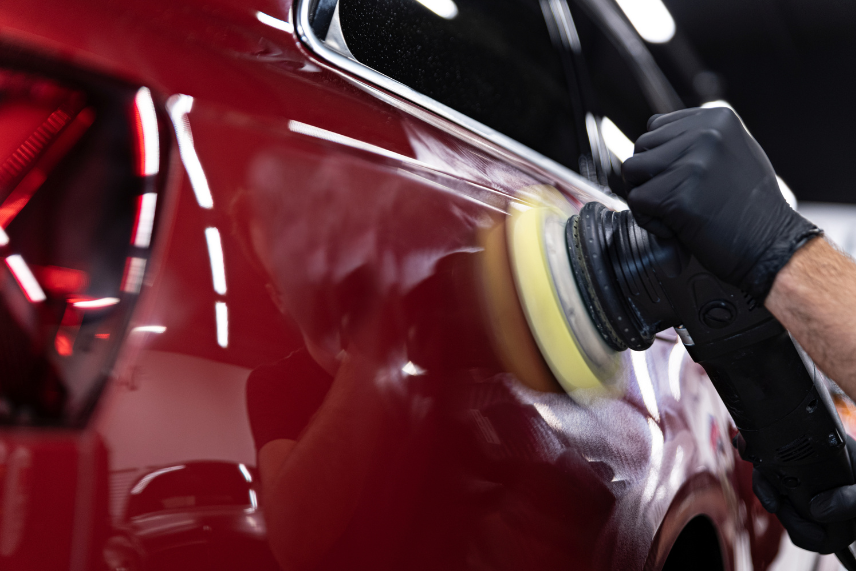
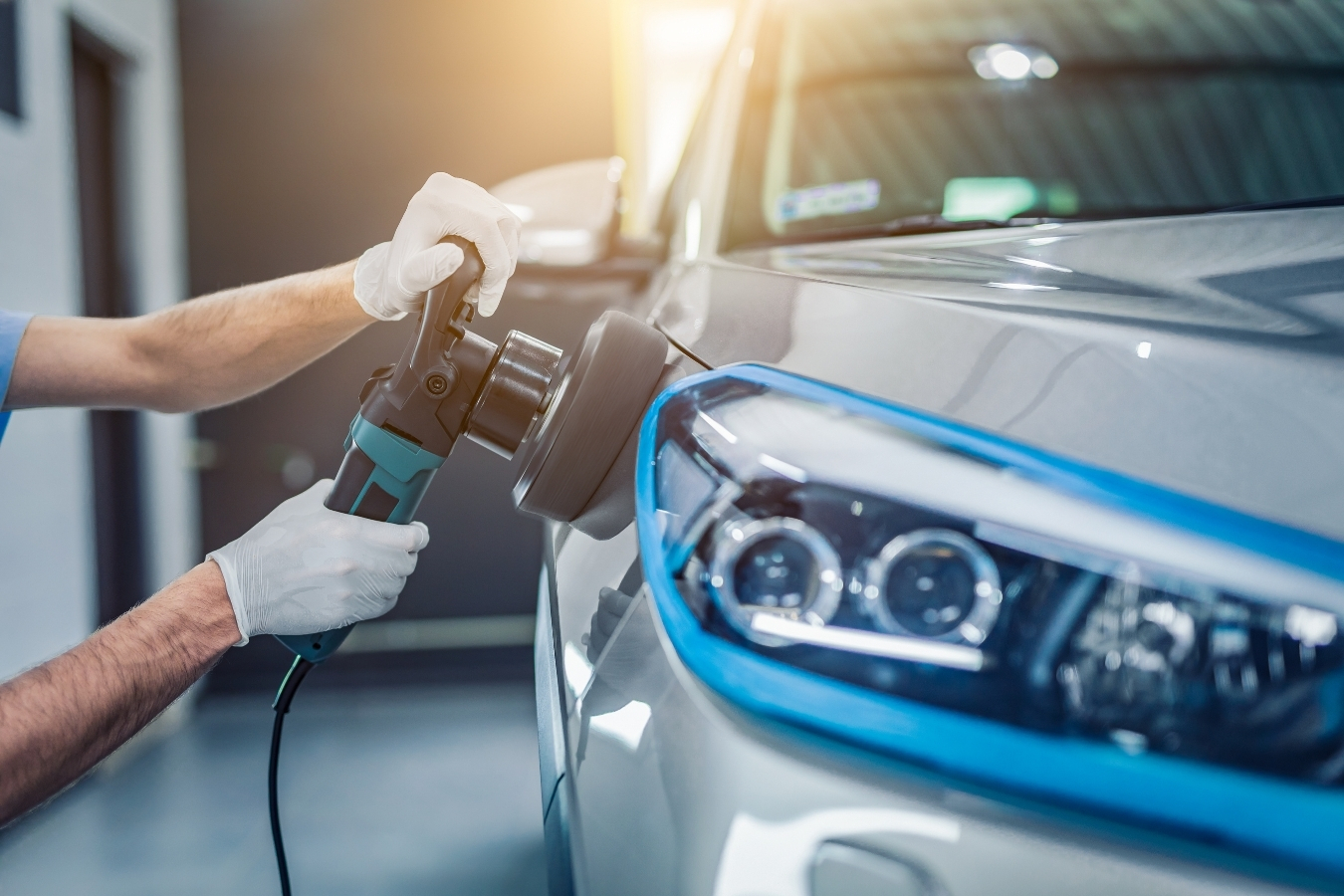
- Correction. This is where swirl marks, light scratches, holograms, and oxidation are mechanically polished out. A ceramic coating locks in whatever state your paint is in that day, so correction is non-negotiable if you want the finish to look its best. Our dedicated Paint Correction breakdown explains how the two stages work in practice.
- Panel wipe. An isopropyl alcohol solution removes every trace of polishing oils, waxes, and silicones from the surface. Any residue at this stage prevents the coating from bonding properly.
For newer vehicles with factory-fresh paint, a single-stage enhancement is often enough preparation. For older cars or those with heavy swirl marking, Stage 1 or Stage 2 correction may be required beforehand. A good technician assesses the paint during the booking and quotes accordingly rather than offering a one-price-fits-all package.
What Happens on Application Day
A mobile ceramic coating appointment typically takes one or two days, depending on the preparation required. Here is what the day looks like from your perspective:
Morning: Setup and Decontamination
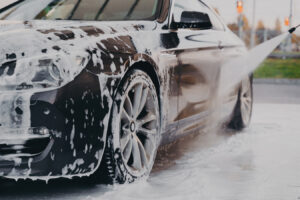
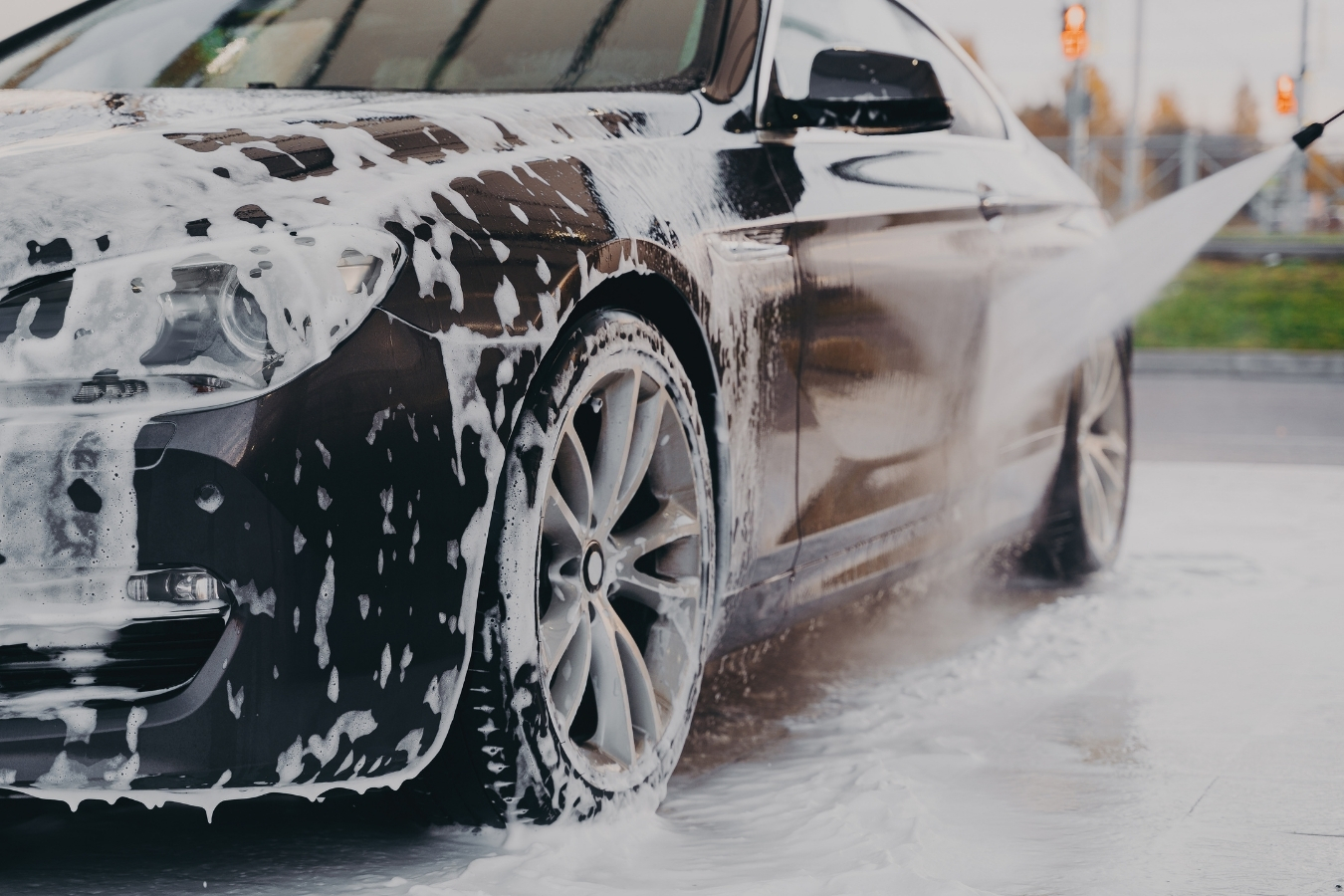
The technician arrives, assesses the parking space, and sets up the mobile canopy or workspace. The car is given its full decontamination wash, iron removal, tar treatment, and clay bar work. By mid-morning, the paint should feel completely smooth to the touch.
Late Morning to Afternoon: Correction and Final Prep
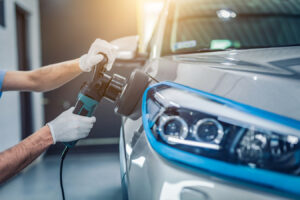
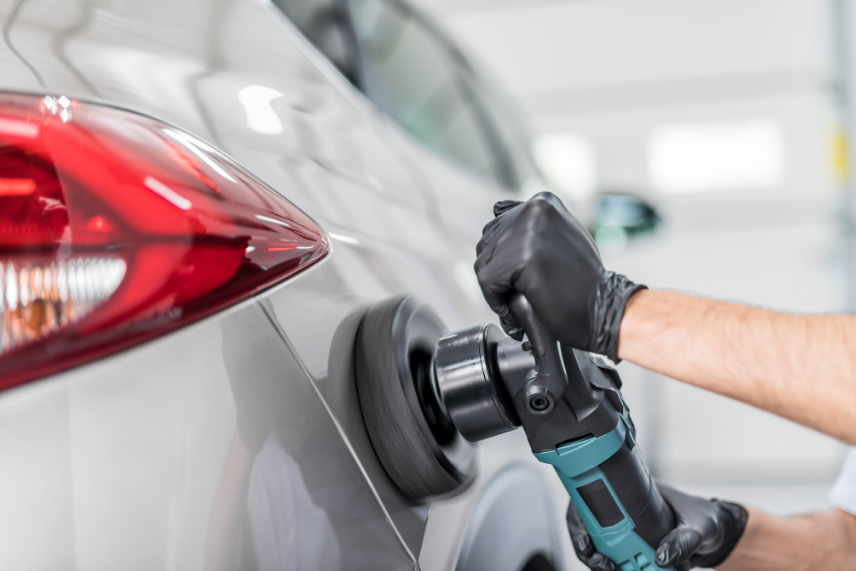
Machine polishing to remove whatever defects are present. For a Stage 1 enhancement, this may take four to six hours on a saloon. For Stage 2, considerably longer. The paint is then wiped down with an alcohol-based panel prep solution.
Late Afternoon: Coating Application
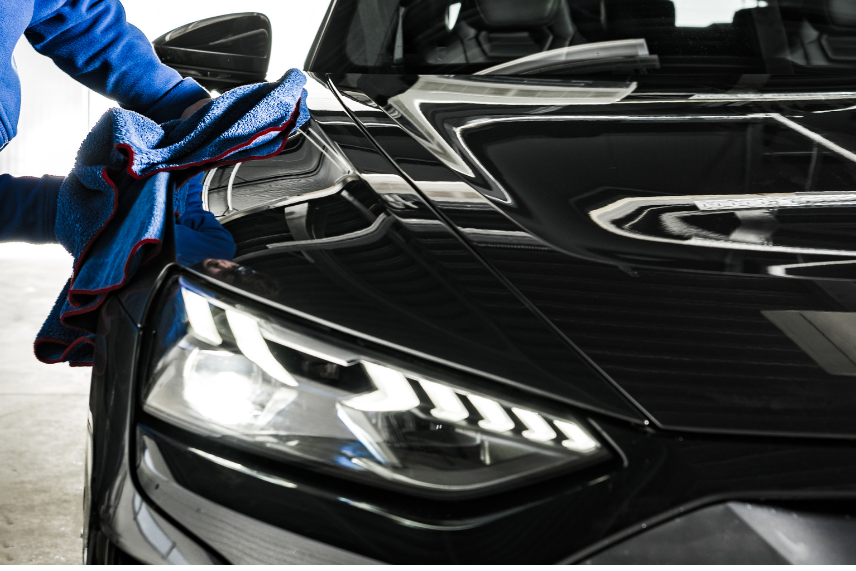
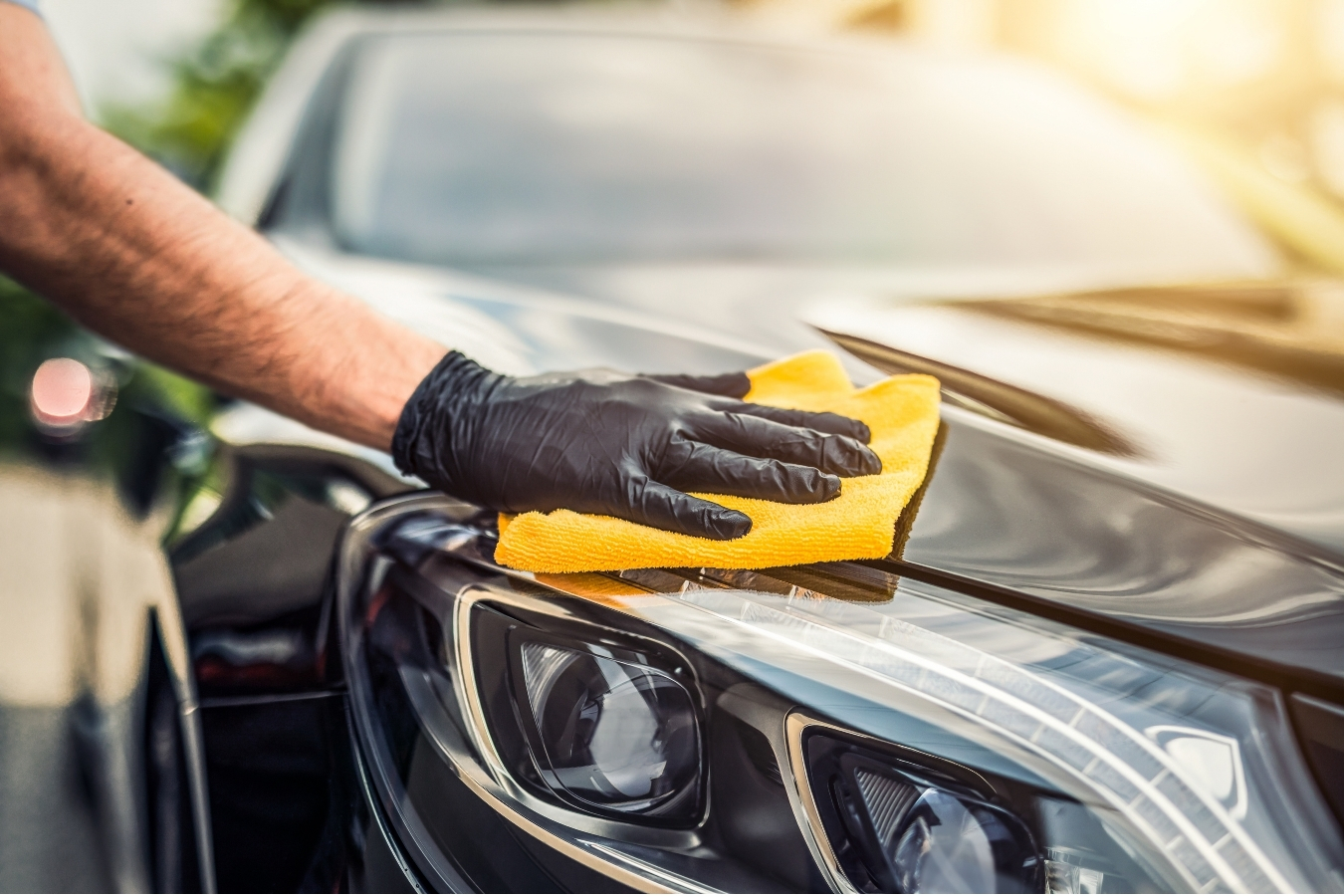
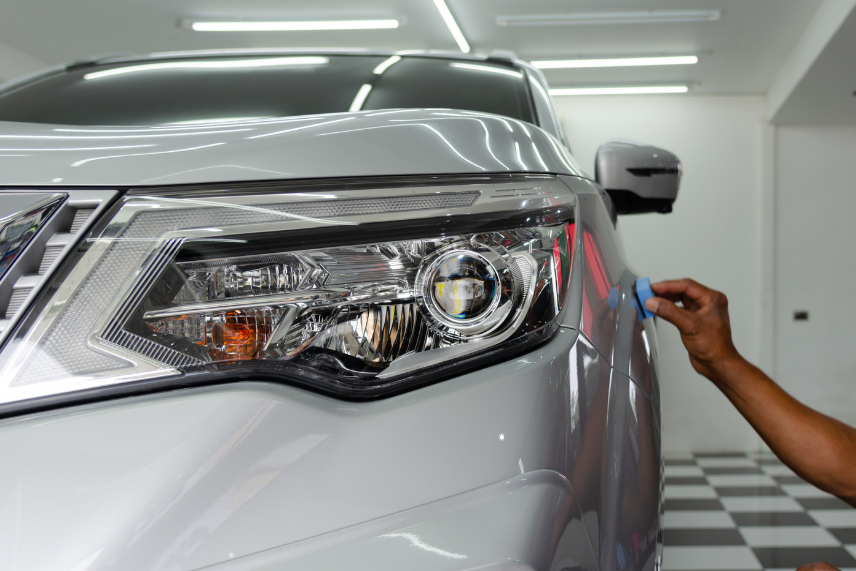
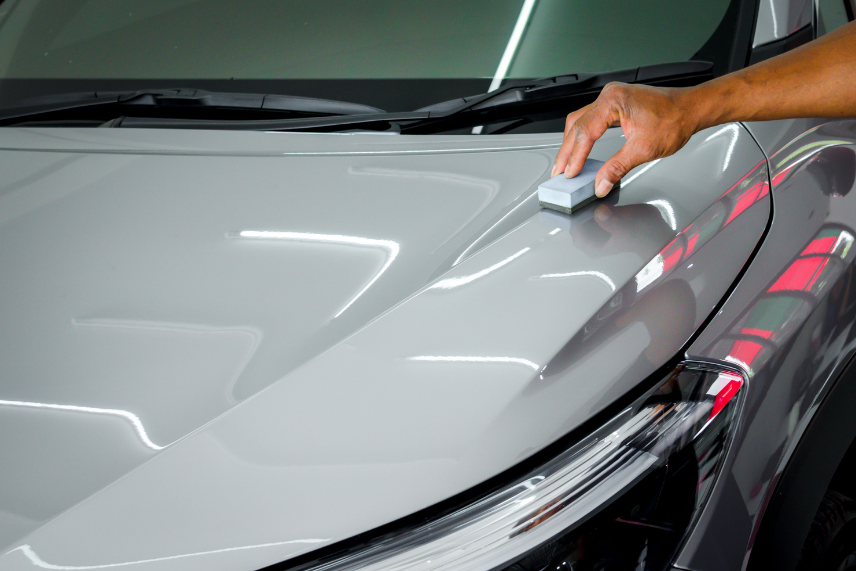
The coating is applied panel by panel using a small applicator and microfibre suede cloth, left to flash for one to two minutes, then levelled with a plush microfibre towel. We inspect each panel under a torch to catch any high spots before they cure. Most saloons take two to three hours to coat fully.
Overnight: Initial Cure
The car should sit undisturbed in the mobile canopy or inside your garage for at least 12 hours after coating. The surface will be dry to the touch within an hour but still curing chemically beneath. The general rule is no driving in heavy rain for the first 24 to 48 hours.
Days 2 to 7: Full Cure
The coating continues to cross-link and harden over the following week. Avoid washing the car for seven days to allow the chemistry to complete. After that, you are good to go for years.
Lifespan and Maintenance
Ceramic coatings are sold with lifespan ratings ranging from two years for entry-level formulas to seven or even nine years for the top professional-only products. Real-world performance depends heavily on three variables: the quality of the preparation underneath, your wash routine afterwards, and the environment the car lives in.
A 5-year coating on a car garaged overnight and washed every fortnight with the correct products will usually hit its full rated lifespan or beyond. The same coating on a car left outside under trees, washed at drive-through tunnels, and exposed to sea air on seaside trips may degrade in half the time.
Maintenance is simple but non-negotiable:
- Use a pH-neutral shampoo. Alkaline degreasers strip ceramic coatings over time.
- Use a two-bucket method with a clean lambswool or microfibre mitt. No sponges, no drive-through tunnels.
- Dry with a plush drying towel rather than a chamois.
- Every six to twelve months, apply a compatible top-up spray sealant to refresh the hydrophobic behaviour.
- Annual inspection by your installer catches any thinning early and keeps warranty cover valid.
Many owners find the coated car is actually quicker to wash than it was before. Dirt releases faster, water sheets off cleanly, and drying takes a fraction of the time.
Mobile Coverage Across Hertfordshire and North London
Our mobile route reaches most of the southern Hertfordshire corridor and extends into the North London suburbs where parking and workshop access can be tricky. In any given week, we coat cars in Watford, Bushey, Radlett, Elstree, Borehamwood, St Albans, Barnet, Finchley, Mill Hill, Hadley Wood, and Totteridge.
Ceramic paint protection North London clients often ask about street parking. Where off-street parking is unavailable, we work with the owner to find a suitable alternative: a private cul-de-sac, a resident bay with permission, or, in some cases, a nearby friend’s driveway. The job needs enough space to position the vehicle, erect a mobile canopy around it, and allow safe movement for the technician around all sides.
For private estates, communal parking areas, and apartment developments, we are happy to liaise with the managing agent in advance to confirm access, water availability if required, and parking permissions. Most developments are supportive once they understand the service is quiet, non-staining, and leaves no trace.
If your postcode is just outside our regular patch, give us a call. We often add occasional journeys further afield when enough bookings cluster together on the same weekend.
Myths Worth Clearing Up
A few misconceptions follow ceramic coatings around, and they are worth addressing head-on because they influence buying decisions.
Myth: Ceramic coatings make paint scratch-proof. They do not. They resist light wash marring and reduce swirl marks, but a shopping trolley against the door will still leave a mark. Think of the coating as highly resistant, not invincible.
Myth: You never need to wash the car again. You absolutely do. The coating keeps the car cleaner for longer and makes washing easier, but regular maintenance is still essential. Skipping washes allows contaminants to sit on the coating surface, which eventually breaks it down.
Myth: DIY kits are just as good. For true performance, no, they are not. DIY products are typically shorter-lasting formulations with lower SiO2 content, and they are much easier to apply poorly. Professional coatings have higher solids content, longer lifespans, and an installer warranty.
Myth: Coatings fix scratches. The coating itself is transparent and does not fill scratches. Any defects visible before the coating goes on will still be visible afterwards, which is why preparation and correction come first.
Myth: Coatings only suit new cars. Older cars often benefit the most. If the clear coat is intact and can be corrected to a good standard, a ceramic coating can make a decade-old vehicle look better than it has in years.
Book a Mobile Ceramic Coating
If you have reached this point and the maths adds up, the next step is simple. Send a few photos of your car, including a clear shot of a horizontal panel under direct light, and we will come back with a tailored quote covering the required preparation level, the recommended coating grade, and the full-day booking slot.
Our Ceramic Coating service is available across Hertfordshire and North London seven days a week, with weekend slots filling up fastest during the warmer months. Book early if you have a specific date in mind, such as before a wedding, a car show, or the handover of a lease vehicle you want to protect from the first week.
Once booked, you will receive a short preparation checklist to help the day run smoothly, and the technician will confirm access requirements the day before. From there, we’ll do the hard work.
Frequently Asked Questions
How long does a mobile ceramic coating appointment take?
Most single-day bookings run from early morning to late afternoon, with the coating curing overnight. Jobs that need Stage 2 correction beforehand are spread across two full days.
What weather conditions are needed?
Temperatures between 10 and 30 degrees Celsius with low humidity are ideal. We use climate-controlled mobile canopies to extend the working window, but very wet or freezing days are usually rescheduled.
Does a ceramic coating replace car wax?
Yes, completely. Once a coating is applied, you should not use conventional waxes on top. Compatible top-up spray sealants recommended by your installer are the correct maintenance product.
Can I search ceramic coating near me and expect similar results from every installer?
No. Quality varies hugely with the installer’s preparation standards and application technique. Ask for photos of previous jobs, references, and a written warranty before booking.
Will the coating affect factory paint warranty?
In almost every case, no. Ceramic coatings bond to the clear coat without altering the paint itself. Keep your paperwork and photos as evidence of the paint’s condition at application.
How much does mobile ceramic coating cost?
Entry-level 2-year coatings on a saloon start around £350 to £500, including basic preparation. Premium 5 to 7-year coatings paired with Stage 1 correction typically fall between £800 and £1,500. Stage 2 preparation adds to the figure accordingly.
Can you coat wheels, glass, and interior surfaces?
Yes. Specialist formulas exist for alloys, windscreens, leather, and fabric. Many customers add wheels and glass to their main paintwork booking at a modest additional cost.
What happens if the coating gets damaged?
Minor degradation is addressed with maintenance top-ups during an annual check. Significant damage, such as a deep scratch through the clear coat beneath, needs localised paint correction and spot re-coating.